🇳🇱

Best Dutch Books to Understand Dutch Culture

Discover 25 essential Dutch and Flemish books that reveal the pragmatic, tolerant, and deeply literary culture of the Low Countries.

Dutch literature is one of Europe's best-kept secrets, a tradition that has produced two Nobel laureates and some of the most searching novels about war, colonialism, and moral compromise ever written. From the Golden Age of Vondel and Spinoza to the postwar "Big Three" of Mulisch, Hermans, and Reve, Dutch writers have brought a characteristically direct, unsentimental gaze to the great questions of human existence.

The Netherlands and Flanders share a language but bring distinct sensibilities: Dutch writing tends toward Calvinist self-examination and dry irony, while Flemish literature often carries a more sensual, Catholic-inflected voice. Together with the literature of Suriname and the former colonies, these 25 books reveal a culture shaped by water, trade, religious tolerance, colonial guilt, and an enduring belief that honest reckoning with the past is more valuable than comfortable myth.

25 essential dutch books

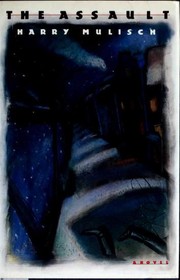
Cover of The Assault

1.The Assault

Harry Mulisch · 1982

A boy's family is murdered by the Nazis in retaliation for a resistance killing, and the trauma follows him through decades of postwar Dutch life. This internationally acclaimed novel explores how the Netherlands has processed its wartime experience of occupation, collaboration, and guilt.
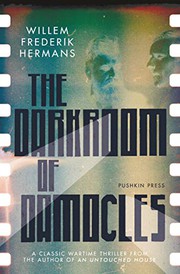
Cover of The Darkroom of Damocles

2.The Darkroom of Damocles

Willem Frederik Hermans · 1958

A man may or may not have a doppelganger who recruited him into the Dutch resistance, in a novel that questions whether heroism and treason can ever be distinguished. Hermans captures the moral chaos of the German occupation that haunts Dutch national memory.

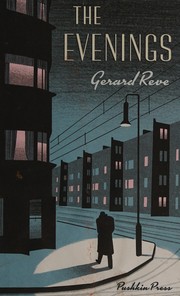
Cover of The Evenings

3.The Evenings

Gerard Reve · 1947

A young man drifts through ten days of boredom, petty cruelty, and existential dread in postwar Amsterdam. This debut novel defined the mood of an entire generation of Dutch youth and established the unsentimental, darkly comic voice that characterizes modern Dutch fiction.

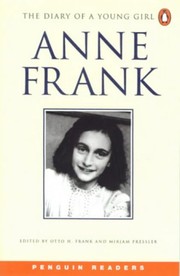
Cover of The Diary of a Young Girl

4.The Diary of a Young Girl

Anne Frank · 1947

A Jewish girl's diary written while hiding from the Nazis in an Amsterdam annex became one of the most read books in history. It is inseparable from Dutch identity, a testament to both the persecution Jews faced and the courage of the Dutch who risked their lives to help.

Cover of Max Havelaar

5.Max Havelaar

Multatuli · 1860

A colonial administrator exposes the brutal exploitation of Javanese peasants by the Dutch East Indies system, in a novel that shook the Netherlands and helped reform colonial policy. It remains the essential Dutch text on colonialism and the moral reckoning that shaped modern Dutch guilt.

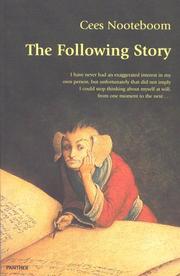
Cover of The Following Story

6.The Following Story

Cees Nooteboom · 1991

A former classics teacher wakes up in a Lisbon hotel room and traces the memories that led him there, in a novella that won the European Literature Prize. Nooteboom's philosophical meditation on time, love, and mortality represents the cosmopolitan literary tradition of the Netherlands.

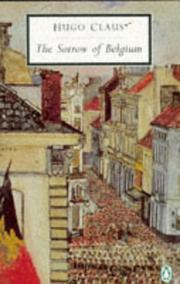
Cover of The Sorrow of Belgium

7.The Sorrow of Belgium

Hugo Claus · 1983

A Flemish boy grows up during the German occupation, watching his family and community embrace collaboration with naive enthusiasm. Claus's masterpiece is the definitive novel about Flemish identity, Catholic guilt, and Belgium's complicated wartime history.

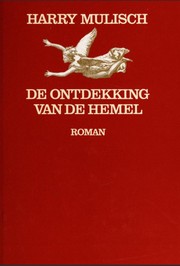
Cover of The Discovery of Heaven

8.The Discovery of Heaven

Harry Mulisch · 1992

God orchestrates events to retrieve the stone tablets of the Ten Commandments from humanity, in an ambitious novel that spans Dutch postwar history, astronomy, and theology. Voted the greatest Dutch novel of all time, it captures the intellectual ambition and philosophical depth of Dutch culture.

Cover of Oeroeg

9.Oeroeg

Hella Haasse · 1948

A Dutch man reflects on his childhood friendship with a Javanese boy in the colonial East Indies, a bond destroyed by the Indonesian independence struggle. This short novel was Haasse's debut and remains one of the most penetrating Dutch explorations of colonialism's intimate betrayals.

Cover of The Twins

10.The Twins

Tessa de Loo · 1993

Twin sisters separated in childhood grow up on opposite sides of World War II, one in the Netherlands and one in Germany. This bestselling novel explores how the war created different national memories across borders and challenges simple narratives of victimhood and guilt.

Cover of Cheese

11.Cheese

Willem Elsschot · 1933

A mild-mannered Antwerp clerk is swindled into becoming the Belgian distributor for a shipment of Edam cheese he cannot sell. This short comic masterpiece captures the Flemish and Dutch obsession with trade, practicality, and the absurdity of commercial life.

Cover of The Vanishing

12.The Vanishing

Tim Krabbe · 1984

A man spends years searching for his girlfriend who disappeared at a French gas station, in a psychological thriller that explores the Dutch fascination with rational thought taken to its logical, terrifying conclusion. It was adapted into two films and remains a landmark of Dutch suspense fiction.

Cover of Bonita Avenue

13.Bonita Avenue

Peter Buwalda · 2010

A respected Dutch mathematician's family collapses spectacularly when secrets involving fireworks disasters and internet pornography emerge. This sprawling debut captures the tension between the orderly Dutch surface and the chaos that can lurk beneath respectability.

Cover of The Dinner

14.The Dinner

Herman Koch · 2009

Two couples meet at a fashionable Amsterdam restaurant to discuss a crime their sons have committed, and the civilized meal slowly reveals monstrous moral compromises. Koch's international bestseller dissects Dutch bourgeois complacency and the darkness behind liberal tolerance.

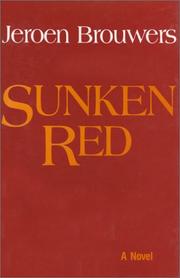
Cover of Sunken Red

15.Sunken Red

Jeroen Brouwers · 1981

A writer recalls his childhood internment in a Japanese concentration camp in the Dutch East Indies during World War II. This harrowing autobiographical novel addresses the colonial dimension of Dutch wartime suffering that the Netherlands was slow to acknowledge.

Cover of My Father's War

16.My Father's War

Adriaan van Dis · 1994

A son investigates his father's traumatic experiences as a prisoner of war in Japanese-occupied Indonesia, uncovering the silences that shaped postwar Dutch families with colonial ties. It reveals a lesser-known chapter of Dutch history and its intergenerational psychological impact.

Cover of The Bureau

17.The Bureau

Voskuil · 1996

This seven-volume novel chronicles thirty years in the life of a folklorist working at a Dutch research institute, capturing the petty rivalries, meetings, and quiet desperation of bureaucratic life with extraordinary patience. It is a monument to the Dutch talent for finding profundity in the mundane.

Cover of Character

18.Character

Ferdinand Bordewijk · 1938

A young lawyer in Rotterdam battles his tyrannical bailiff father in a novel that explores the Calvinist work ethic, self-reliance, and emotional repression at the core of Dutch character. It won the first Dutch literary prize and was later adapted into an Academy Award-winning film.

Cover of Lines of Light

19.Lines of Light

Cees Nooteboom · 1992

A Dutch photographer wanders through Berlin, Spain, and other European landscapes grappling with memory and desire. Nooteboom embodies the Dutch traveler's perspective, observing the world with the detached curiosity of a culture built on maritime exploration and global trade.

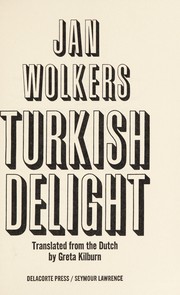
Cover of Turkish Delight

20.Turkish Delight

Jan Wolkers · 1969

A sculptor recalls his passionate, destructive love affair with a free-spirited woman in 1960s Amsterdam. Wolkers shattered Dutch literary prudishness with this explicit, emotionally raw novel that became the bestselling Dutch book of the 20th century and captured the sexual revolution in the Netherlands.

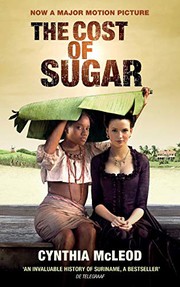
Cover of The Cost of Sugar

21.The Cost of Sugar

Cynthia McLeod · 1987

Set in 18th-century Suriname, this novel follows two sisters navigating the brutality of the Dutch plantation system. It is the most important literary work about Dutch colonial slavery, written by a Surinamese author whose perspective challenges the European-centered view of Dutch history.

Cover of The Tooth of Time

22.The Tooth of Time

A.F.Th. van der Heijden · 1983

The opening volume of Van der Heijden's monumental cycle "The Tandeloze Tijd" follows a young man from a Catholic village in Brabant to the Amsterdam squatter scene of the 1980s. It is a sprawling portrait of Dutch postwar social change, from provincial conservatism to urban counterculture.

Cover of De Stille Kracht

23.De Stille Kracht

Louis Couperus · 1900

A Dutch colonial official in Java finds his rational European worldview undermined by mysterious forces he cannot explain or control. Couperus, the greatest Dutch novelist of the fin de siecle, captures the unsettling encounter between Dutch Enlightenment confidence and Javanese spiritual traditions.

Cover of Grunberg's Birthday

24.Grunberg's Birthday

Arnon Grunberg · 2004

Known in English as "Phantom Pain," Grunberg follows the descendants of Holocaust survivors in contemporary Amsterdam, exploring how historical trauma manifests in modern Dutch Jewish life. Grunberg is the foremost chronicler of Dutch-Jewish identity and its uneasy place in tolerant but forgetful Dutch society.

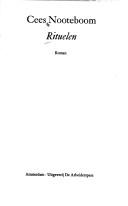
Cover of Rituals

25.Rituals

Cees Nooteboom · 1980

A Dutch dilettante encounters a father and son whose opposing obsessions with ritual and order illuminate the search for meaning in postwar European life. This novel exemplifies the Dutch literary tradition of philosophical fiction that examines life's structure with both irony and genuine yearning.

Frequently asked questions

What is the best Dutch book for someone new to Dutch literature?
The Diary of Anne Frank is the most widely known Dutch book and provides immediate cultural context. For fiction, The Assault by Harry Mulisch is a gripping, accessible novel about the Dutch wartime experience. The Dinner by Herman Koch offers a more contemporary view of Dutch social life.
How does Dutch literature differ from Flemish literature?
While both use the Dutch language, Dutch literature from the Netherlands tends toward Calvinist restraint, ironic understatement, and moral self-examination. Flemish literature from Belgium often has a more sensual, baroque quality influenced by its Catholic heritage, as seen in Hugo Claus's work.
Why is World War II so prominent in Dutch literature?
The German occupation of 1940-1945 was a defining trauma for the Netherlands, made more painful by the deportation and murder of 75% of Dutch Jews, the highest proportion in Western Europe. Dutch literature has spent decades grappling with questions of collaboration, resistance, and moral compromise that the war exposed.
Does Dutch literature address the Netherlands' colonial history?
Yes, increasingly so. Classic works like Max Havelaar exposed colonial exploitation in the 19th century. Modern works by Surinamese authors like Cynthia McLeod and Dutch-Indonesian writers like Hella Haasse and Adriaan van Dis address the legacies of slavery and colonialism in the Dutch East Indies and Caribbean.

Read dutch books with AI-powered help

Upload any book page and get sentence-by-sentence translations, grammar notes, and vocabulary building — free.

Start reading for free